

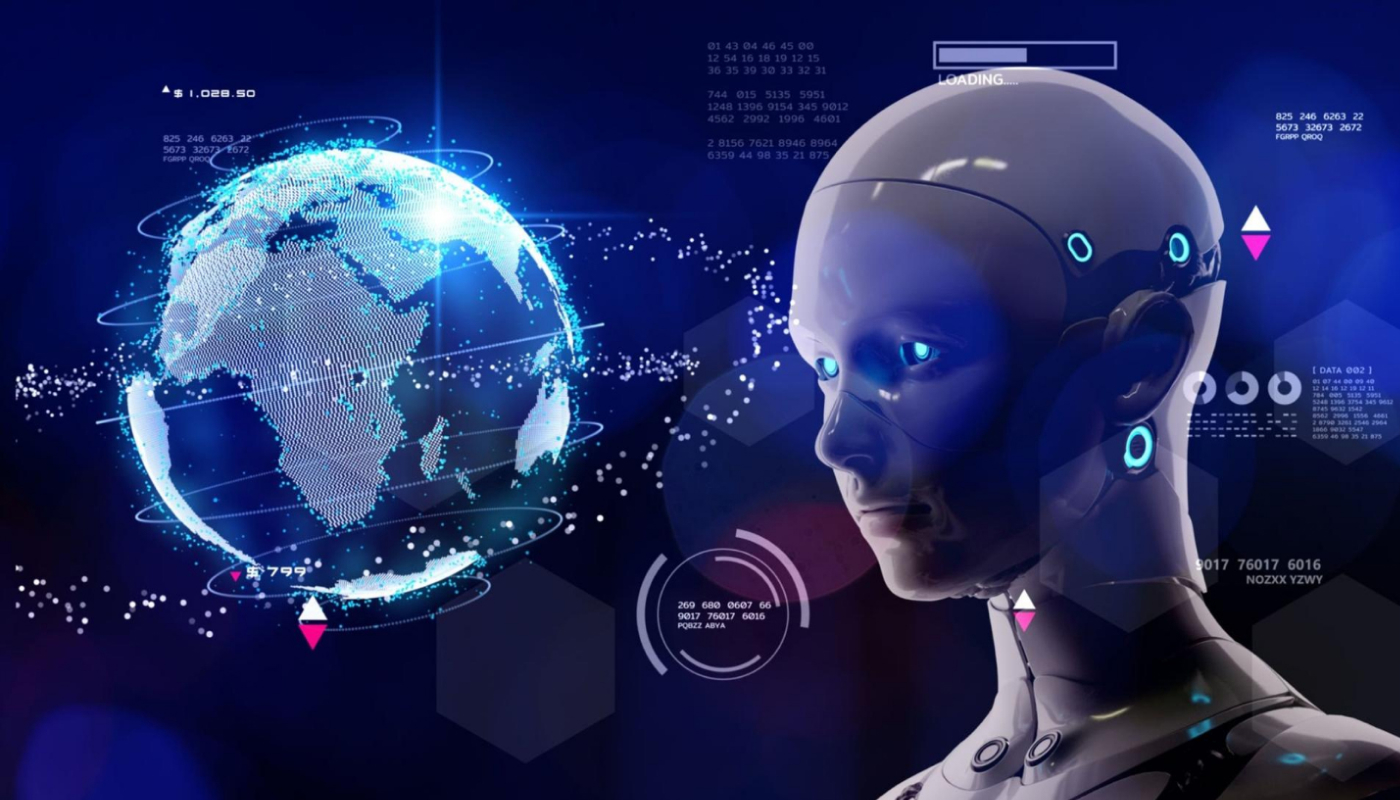
The Evolution of AI: Where We Are in 2026
The evolution of artificial intelligence (AI) has been nothing short of remarkable, transforming from a niche academic pursuit into a pivotal force driving innovation across industries. As we stand in 2026, AI has matured significantly, integrating itself deeply into daily life and reshaping the way humans interact with technology. The journey from rule-based systems to sophisticated neural networks marks a profound shift in both capability and application.
In the early days, AI primarily focused on narrow tasks-chess playing programs or simple pattern recognition algorithms. These systems operated under strict constraints and lacked flexibility. However, breakthroughs in machine learning, particularly deep learning techniques developed over the past decade, have enabled machines to analyze vast amounts of data and identify complex patterns without explicit programming. This transition allowed AI to evolve beyond rigid frameworks into adaptive models capable of reasoning and decision-making.
By 2026, generative AI models have become ubiquitous tools for creativity and productivity. These systems can compose music, generate realistic images from text descriptions, write coherent articles, and even assist in scientific research by hypothesizing new compounds or materials. Their ability to understand context and nuance has improved dramatically due to advancements in natural language processing (NLP), enabling more seamless human-machine communication than detailed article ever before.
Moreover, AI’s role in healthcare continues to expand rapidly. Diagnostic algorithms now assist doctors by interpreting medical imaging with accuracy rivaling human experts while predicting patient outcomes through comprehensive data analysis. Personalized medicine benefits from AI-driven insights that tailor treatments based on an individual’s genetic makeup and lifestyle factors-ushering in an era where healthcare is more precise and proactive.
Autonomous technologies are another frontier witnessing significant progress. Self-driving vehicles are no longer experimental prototypes but operational components within urban transportation networks worldwide. Enhanced sensor fusion combined with real-time decision-making capabilities ensures safer navigation amid complex environments-a testament to how far perception systems have advanced.
Despite these achievements, challenges remain regarding ethics, privacy, and governance surrounding AI deployment. Societies grapple with ensuring transparency in algorithmic decisions while preventing biases embedded within training data from perpetuating inequalities. Regulatory frameworks continue evolving globally to balance innovation incentives against potential risks posed by misuse or unintended consequences.
Looking ahead beyond 2026, the trajectory suggests increasingly symbiotic relationships between humans and intelligent machines rather than mere automation replacements for labor-intensive tasks. Augmented intelligence paradigms emphasize collaboration where human creativity complements computational power-empowering individuals rather than displacing them.
In conclusion, as of 2026 the evolution of artificial intelligence reflects decades of cumulative progress resulting in versatile technologies embedded into everyday life across multiple domains-from creative arts to critical infrastructure management-while simultaneously prompting important societal discussions about responsible stewardship moving forward into an uncertain yet promising future landscape shaped indelibly by intelligent machines.