

Rotating Residential Proxies for Price Comparison Tools
In the digital age, price comparison tools have become essential for consumers seeking the best deals across various online platforms. These tools rely heavily on web scraping to gather real-time pricing information from multiple e-commerce websites. However, many websites actively implement anti-scraping measures to prevent automated data collection, posing significant challenges for price comparison services. One effective solution to overcome these obstacles is the use of rotating residential proxies.
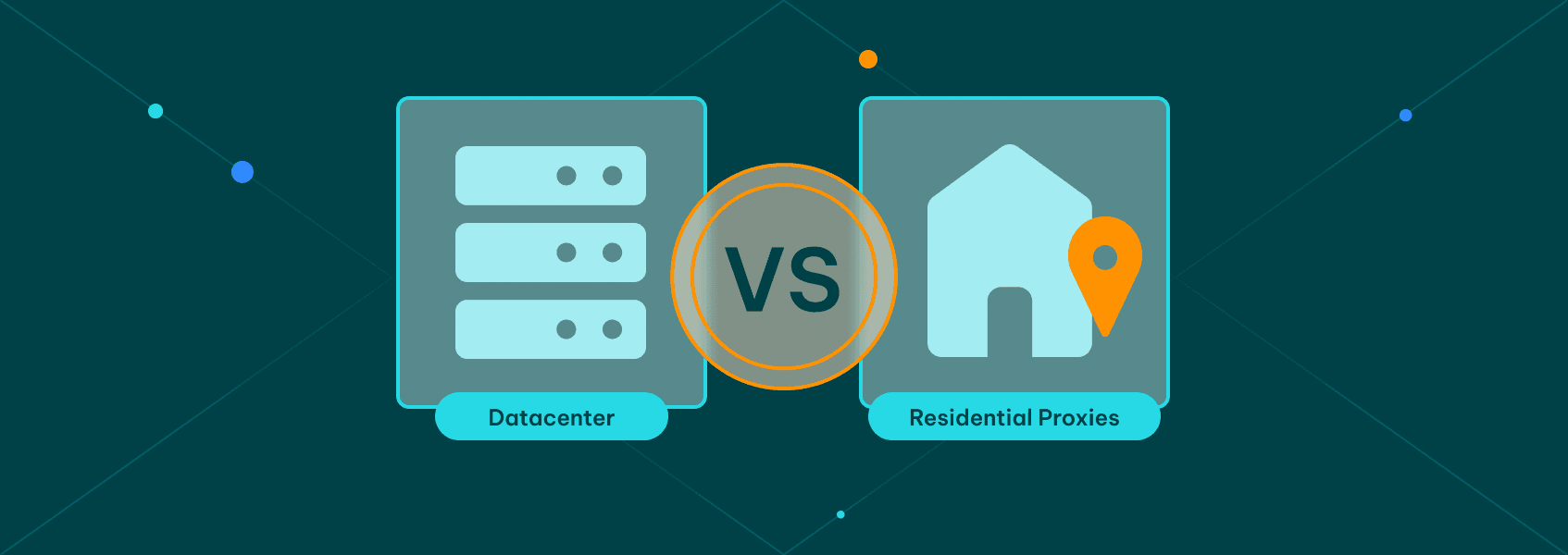
Rotating residential proxies are IP addresses assigned by Internet Service Providers (ISPs) to homeowners. Unlike datacenter proxies that originate from centralized servers and are easily detectable by anti-bot systems, residential proxies appear as legitimate users browsing from typical home internet connections. This makes them far less likely to be blocked or flagged when accessing targeted websites.
The rotation aspect refers to the dynamic switching between different proxy IPs at regular intervals or per request basis. By continuously changing IP addresses during web scraping activities, price comparison tools can mimic genuine user behavior more closely and distribute their requests across numerous unique endpoints. This reduces the risk of triggering rate limits or captchas imposed by target sites due to repetitive access from a single IP address.
Implementing rotating residential proxies brings several advantages specifically beneficial for price comparison applications. First, it enhances anonymity and reduces detection probability because each request appears as if originating from a distinct household location globally rather than a single source server farm. Second, it improves data accuracy since uninterrupted access ensures that current prices and inventory statuses are consistently captured without gaps caused by temporary bans or blocks.
Moreover, rotating residential proxies enable geographic targeting capabilities crucial for localized pricing analysis. Many retailers display different prices depending on customer location due to factors like taxes, shipping costs, or regional promotions. By selecting proxy IPs corresponding to specific cities or countries during rotation cycles, price comparison tools can gather geographically relevant data and present users with precise local offers rather than generic national averages.
Despite their benefits, integrating rotating residential proxies requires careful management regarding proxy pool size and quality assurance protocols. A diverse pool with thousands of reliable IPs spread worldwide minimizes overlap risks where multiple requests might come from identical addresses simultaneously-something that could still trigger suspicion on sophisticated anti-bot defenses.
Furthermore, providers offering premium rotating residential proxy services typically monitor network health continuously ensuring minimal downtime and high-speed connectivity which is vital when scraping large volumes of data efficiently within tight timeframes.
In conclusion, rotating residential proxies represent an indispensable technology in enhancing the effectiveness of price comparison tools operating under strict anti-scraping environments. Their ability to provide authentic-looking traffic through frequent IP changes not only circumvents blocking mechanisms but also allows comprehensive geographic coverage improving overall data reliability for end-users seeking competitive pricing insights online.